Gedeckter Apfelkuchen: Why German Apple Pie is Actually a Cake
When you hear "german apple pie," what do you picture? Likely, a familiar round, lattice-topped dessert, perhaps with a scoop of vanilla ice cream. But what if we told you that the authentic German equivalent isn't really a "pie" at all, at least not in the Anglo-American sense? Welcome to the delightful world of
Gedeckter Apfelkuchen, a culinary masterpiece that firmly identifies as a cake. This traditional German staple offers a unique twist on the beloved apple dessert, challenging our perceptions and inviting us into a richly flavored, deeply satisfying experience.
Gedeckter Apfelkuchen, meaning "covered apple cake," is the closest Germany comes to what English speakers might call a pie. Yet, for Germans, there's no confusion: it is unequivocally a
Kuchen – a cake. This distinction isn't merely semantic; it speaks to a different approach in baking, a unique texture, and a culinary identity that sets it apart from its American cousin. Prepare to discover why this "german apple pie" is not just a cake, but a truly unforgettable dessert that deserves a spot on your baking list.
Gedeckter Apfelkuchen: A Culinary Identity Crisis (for Anglophones)
The linguistic and culinary divide between "pie" and "cake" in the context of this German delicacy is fascinating. In Germany, the term "pie" as we understand it, doesn't truly exist in common parlance for sweet baked goods. Instead, a broad category of baked treats, often featuring fruit fillings and pastry crusts, falls under the umbrella of
Kuchen. A prime example beyond our apple creation is
Zwiebelkuchen, literally "onion cake," which is a savory tart that would be called "onion pie" in English. This linguistic difference highlights a fundamental distinction in how these desserts are conceptualized and enjoyed.
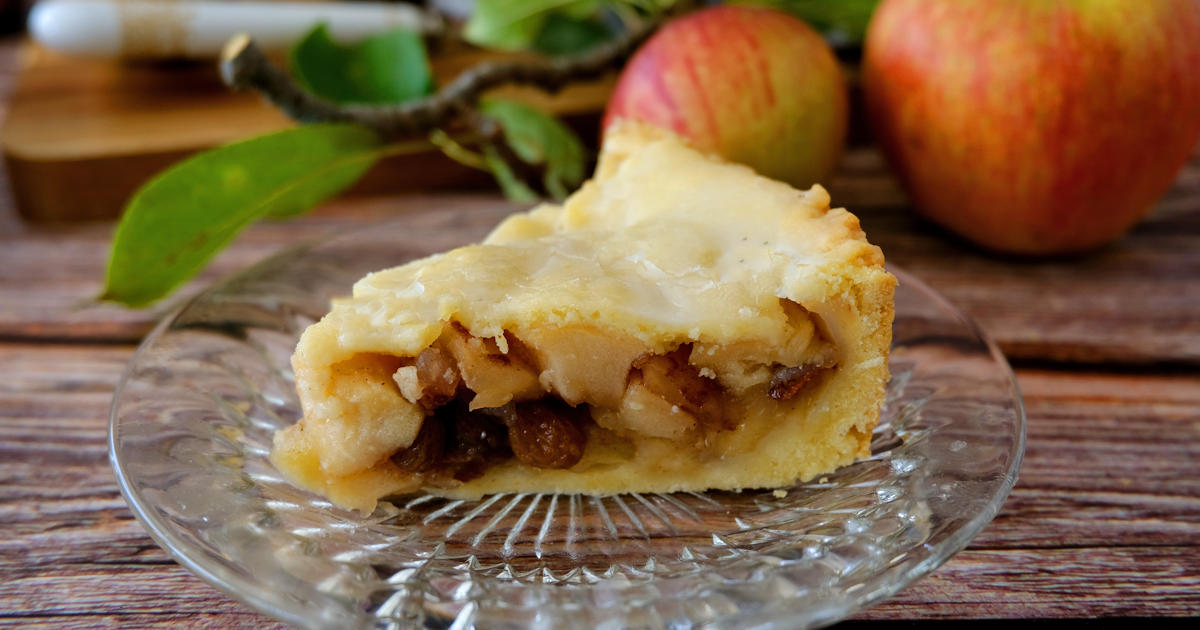
For a German baker, Gedeckter Apfelkuchen is a traditional cake, baked with a homemade short-crust pastry that forms both the base and a delicate lid. It's a dessert that perfectly embodies German baking philosophy: hearty, comforting, and deeply flavorful. While an American apple pie might focus on a flaky, airy crust and a slightly thickened fruit filling, the german apple pie emphasizes a rich, substantial crust and, crucially, a uniquely moist and often custard-like apple interior. It’s this structural and textual difference that firmly plants Gedeckter Apfelkuchen in the "cake" category for its creators, making it a delightful surprise for those expecting a more conventional pie.
The Anatomy of a True German Apple "Cake"
What makes Gedeckter Apfelkuchen such a distinct and cherished dessert? Its allure lies in a harmonious combination of carefully selected ingredients and a specific construction that results in its characteristic texture and flavor.
The Crust: More Than Just a Shell
The foundation of a good german apple pie is its crust. Unlike the often thin, flaky crusts of American pies, Gedeckter Apfelkuchen typically features a more substantial, buttery short-crust pastry. This pastry provides a robust base that can withstand the moist filling, and it forms the "Gedeckt" or "covered" aspect, creating a protective lid over the apples. The result is a deliciously crumbly yet moist pastry that complements the filling beautifully. Imagine a buttery shortbread that encloses a treasure trove of apples – that's the experience this crust delivers. It’s integral to the "cake" identity, offering a more tender bite than many pie crusts.
The Filling: Apples, Spices, and a Secret Ingredient
While apples are obviously the star, the filling of Gedeckter Apfelkuchen is where much of its unique character shines.
- The Apples: Choosing the right apples is paramount. The best varieties are those that can hold their texture when subjected to high heat, preventing a mushy filling. Furthermore, tart apples are often preferred, as their acidity provides a crucial balance to the sweetness of the other ingredients, allowing their full flavor to develop beautifully during baking. Excellent choices include Granny Smith, Jonagold, Pink Lady, Golden Delicious, and Braeburn. These apples offer a pleasant bite and a burst of fresh, tangy flavor.
- The Spices: A comforting blend of warming spices elevates the apple filling. Cinnamon is, of course, a staple, often complemented by hints of cloves and nutmeg. These spices evoke the coziness of autumn and winter, making the german apple pie a popular choice for cooler months and holiday celebrations. For an extra touch of texture and sweetness, some traditional family recipes also incorporate raisins, adding another layer of complexity to the filling.
- The "Secret" Ingredient: Heavy Cream: This is arguably the most significant differentiator and the true magic behind many German apple pies. While some versions might be simpler, many traditional recipes, especially those known for their extraordinary moistness, call for a generous amount of heavy cream poured over the apples before baking. This cream doesn't just add richness; it transforms the filling into a luscious, smooth, and utterly heavenly custard-like texture as it bakes. It melds with the apple juices and spices, creating a moist, tender interior that is unparalleled. It's this creamy depth that truly sets it apart, contributing to its reputation as being unbelievably rich and flavorful. Discover more about this essential component in The Creamy Secret: Why German Apple Pie is Unforgettable.
While the filling might superficially remind one of an apple strudel, the texture is distinctly different. Where strudel often features thinly sliced apples with minimal binder, Gedeckter Apfelkuchen’s filling benefits immensely from the cream, resulting in a more cohesive, almost pudding-like consistency that perfectly marries with the substantial crust.
Crafting Your Own Gedeckter Apfelkuchen: Tips for Success
Embracing the world of german apple pie means diving into a baking experience that, while deeply rewarding, benefits from a few key insights.
Selecting the Perfect Apples
As mentioned, tart, firm apples are your best friends here. Their ability to hold shape ensures that you don't end up with an unappealing applesauce-like texture, while their tartness cuts through the sweetness, creating a balanced flavor profile. Once peeled and sliced, a practical tip is to toss them gently with a squeeze of lemon juice. This simple step prevents them from browning, keeping your filling visually appealing and adding a subtle fresh note.
Mastering the Creamy Custard
If you're using heavy cream, the method is straightforward: arrange your spiced apples in the crust, then slowly and evenly pour the heavy cream over them before adding the top crust. The real trick to achieving that perfect custard-like consistency isn't just in the baking, but in the cooling. Once baked, this german apple pie needs time to set. Allowing it to cool completely at room temperature, then chilling it in the refrigerator for at least 5 hours, or ideally overnight, is crucial. This patience allows the cream-based filling to solidify into that desired rich, smooth custard. Rushing this step will result in a runny filling, so resist the urge to cut into it too soon! For a deeper dive into perfecting this aspect, check out
Bake the Best German Apple Pie: Tart Apples & Custard Filling.
The Art of the Crust
While convenience might tempt you towards pre-made options, a homemade short-crust pastry is genuinely worth the effort for an authentic Gedeckter Apfelkuchen. The rich butteriness and crumbly texture of a homemade crust elevate the entire experience. Key tips for working with shortcrust include keeping your ingredients cold, not overworking the dough (which can make it tough), and allowing it to chill before rolling. This ensures a tender, flaky, and structurally sound base and lid for your apple cake.
Serving Suggestions
One of the beauties of this german apple pie is its versatility in serving. It is absolutely divine served at room temperature, allowing the complex flavors to fully develop. While it's rich and satisfying enough to be enjoyed entirely on its own, it’s also wonderfully complemented by a dollop of freshly whipped cream or a scoop of vanilla bean ice cream. For storage, Gedeckter Apfelkuchen holds exceptionally well in the refrigerator for several days, making it an excellent dessert to prepare in advance, especially during the holidays. Its flavors tend to deepen and meld even further after a day or two.
Beyond the Recipe: The German Dessert Philosophy
The Gedeckter Apfelkuchen is more than just a recipe; it's a window into German baking traditions. German desserts often prioritize hearty, comforting textures and robust, natural flavors. They are designed to be substantial, satisfying, and deeply flavorful, often relying on quality seasonal fruits and rich dairy products. The predominance of "Kuchen" in the German lexicon for such baked goods reflects a cultural appreciation for bakes that are often more dense, moist, and cake-like than their English "pie" counterparts. It’s a tradition built on generations of home baking, where simple, good ingredients are transformed into something truly special.
Conclusion
The next time you encounter the term "german apple pie," remember the Gedeckter Apfelkuchen – a magnificent "covered apple cake" that defies traditional English classifications. With its buttery, crumbly short-crust pastry, its perfectly tart and tender apple filling, and the luxurious, custard-like texture provided by that unexpected secret ingredient, heavy cream, it offers a truly distinct and unforgettable culinary experience. It's a testament to the fact that sometimes, the best desserts are those that challenge our expectations and invite us to explore new cultural flavors. So, step into the German kitchen, embrace the "Kuchen," and prepare to be enchanted by a dessert that is rich, comforting, and utterly delicious.