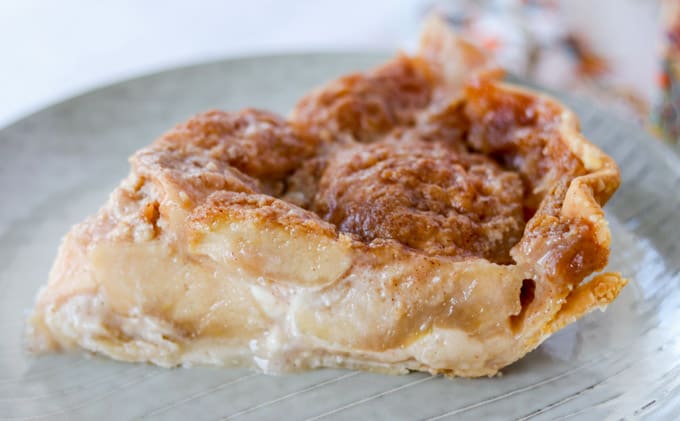
The Creamy Secret: Why German Apple Pie is Unforgettable
When you hear "apple pie," your mind likely conjures images of a classic American dessert, perhaps with a lattice top and a scoop of vanilla ice cream. But venture across the Atlantic to Germany, and you'll discover a version that, while sharing a love for apples and pastry, offers a truly unique and utterly unforgettable experience. The German apple pie, known affectionately as Gedeckter Apfelkuchen, is a testament to the country's rich baking heritage, boasting a creamy secret ingredient that sets it apart from all others.
Imagine a dessert that is simultaneously moist and crumbly, bursting with vibrant apple flavor, and enveloped in a luxurious, custard-like embrace. This isn't just a pie; it's a culinary revelation that combines the comforting familiarity of a spiced apple filling with an unexpected richness that will surprise and delight your taste buds. If you're ready to redefine your understanding of apple pie, prepare to tuck into the magic of this German classic.
Gedeckter Apfelkuchen: A Culinary Identity – Cake or Pie?
One of the first things to understand about German apple pie is its distinctive identity within its homeland. In Germany, this beloved creation isn't called a "pie" at all, but rather a "cake." Its full name, Gedeckter Apfelkuchen, directly translates to "covered apple cake." This linguistic nuance highlights a cultural difference where the concept of "pie" as a distinct dish doesn't really exist in the same way it does in English-speaking countries. Instead, many baked goods that might be classified as pies elsewhere are simply referred to as Kuchen (cake) in Germany. For example, what we might call an "Onion Pie" becomes "Zwiebelkuchen" or "Onion Cake."
Despite the name, the structure of Gedeckter Apfelkuchen is undeniably pie-like to the Western eye. It features a delicious homemade short-crust pastry forming both the base and a comforting lid, encasing a generous filling. This buttery, crumbly crust perfectly complements the rich interior, offering a delightful contrast in texture. Understanding this distinction is key to appreciating the German approach to baking and adds another layer of intrigue to this wonderful dessert. To dive deeper into this fascinating naming convention, explore Gedeckter Apfelkuchen: Why German Apple Pie is Actually a Cake.
The Creamy Secret: Why German Apple Pie is Uniquely Indulgent
What truly elevates the German apple pie from a simple fruit dessert to an unforgettable experience is its unexpected, yet brilliant, secret ingredient: heavy cream. While traditional apple pies often rely on butter or a thickened fruit juice for moisture, the German version incorporates a generous pour of heavy cream directly into the apple filling before baking. This seemingly small addition makes an enormous difference.
As the pie bakes, the heavy cream transforms, infusing the apple mixture with an unparalleled richness and creating a luxurious, custard-like texture that gently envelops each apple slice. The result is a filling that is incredibly smooth, moist, and deeply satisfying, offering a melt-in-your-mouth quality that distinguishes it from any other apple pie you’ve tasted. This creamy element not only adds a velvety mouthfeel but also balances the tartness of the apples and the warmth of the spices, creating a harmonious symphony of flavors. It’s this ingenious use of cream that makes the pie so decadently rich and, frankly, addictive. You'll hardly believe how easy it is to achieve such profound flavor with such a simple addition.
Crafting the Perfect German Apple Pie: Ingredients and Techniques
Creating an exceptional German apple pie hinges on a few key ingredients and techniques that ensure its signature taste and texture:
- The Crust: It all starts with a superb short-crust pastry. This homemade base is buttery, sturdy enough to hold the rich filling, and bakes to a beautiful golden, crumbly perfection. The top lid seals in the moisture and flavors, allowing the creamy filling to truly develop.
- The Apples: Choosing the right apples is paramount. The best varieties are those that maintain their structure under high heat and possess a good level of tartness to balance the sweetness and creaminess of the filling. Recommended varieties include:
- Granny Smith: A classic choice, known for its firm texture and sharp tang.
- Jonagold: Offers a delightful balance of sweet and tart with a firm flesh.
- Pink Lady: Crisp, sweet-tart, and holds its shape well.
- Golden Delicious: A sweeter option that still maintains structure, often used in combination with tarter apples.
- Braeburn: Firm and flavorful, with a nice balance of sweet and tart.
Pro Tip: Once peeled and sliced, toss your apples lightly with a splash of lemon juice. This simple step prevents them from browning, keeping their vibrant color. For more on selecting the best apples and crafting that perfect filling, take a look at Bake the Best German Apple Pie: Tart Apples & Custard Filling.
- The Spice Blend: A comforting medley of cinnamon, cloves, and nutmeg typically forms the aromatic backbone of the filling. These warm spices complement the apples beautifully and deepen the overall flavor profile. Raisins are also a traditional addition for those who enjoy their chewy sweetness.
- The Assembly: Once your apples are prepped and spiced, they are mounded into the pastry-lined pie dish. The magical moment comes when the heavy cream is slowly poured over the top, ensuring it seeps down and coats every apple slice before the top crust is applied. A final sprinkle of sugar often adorns the lid, creating a delicate, sugary crust.
The Art of Patience: Cooling, Setting, and Serving Your Masterpiece
After baking to a golden perfection, the most challenging part of enjoying a German apple pie is often the wait. The custard-like filling needs time to properly set, which typically requires cooling the pie completely at room temperature, followed by several hours – or even overnight – in the refrigerator. This crucial step ensures that when you slice into it, you're greeted with a beautifully firm yet creamy filling, rather than a runny one. Trust us, the patience is absolutely worth it.
Once set, this pie truly shines. While delicious with a dollop of whipped cream or a scoop of vanilla ice cream, many connoisseurs agree that it needs no accompaniment at all. Its inherent richness and complex flavors are more than enough to stand alone. It’s often served at room temperature, making it a convenient and elegant dessert for any occasion, from a casual family gathering to a festive holiday meal. This pie also holds exceptionally well in the refrigerator for several days, meaning you can savor its deliciousness long after the first slice. It's an ideal choice for holiday menus or any time you want to impress with a dessert that's both comforting and sophisticated.
An Unforgettable Culinary Journey
The German apple pie is more than just a dessert; it's an experience that captivates with its rich history, unique creamy texture, and irresistible flavor. From its cultural identity as a "covered apple cake" to the genius inclusion of heavy cream, every aspect of this traditional German treat contributes to its unforgettable appeal. Whether you're a seasoned baker looking for a new challenge or simply a dessert enthusiast eager to explore global flavors, trying this remarkable pie is highly recommended. Prepare to be enchanted by its moist, crumbly crust, perfectly spiced apples, and the luxurious, custard-like filling that makes German apple pie a truly unparalleled culinary masterpiece. It's a dessert that will undoubtedly earn a permanent spot on your favorites list.
